

coenzima pqq
Rhodiola Rosea Extract Salisorosides Rosavins Plant Extract Dietary Supplement is a key solution in the Health and wellness industry, specifically within nutritional supplements and Plant extract supplements. This article explores how Hebei Finutra Biotech Co., Ltd. supports professionals with durable, high-performance products, and explains why this product is an ideal choice for businesses in these sectors. Table of Contents Rhodiola Rosea Extract Salisorosides Rosavins Plant Extract Dietary Supplement Overview Benefits & Use Cases of Rhodiola Rosea Extract Salisorosides Rosavins Plant Extract Dietary Supplement in Plant extract supplements Cost, Maintenance & User Experience Sustainability & Market Trends in Health and wellness Conclusion on Rhodiola Rosea Extract Salisorosides Rosavins Plant Extract Dietary Supplement from Hebei Finutra Biotech Co., Ltd. Rhodiola Rosea Extract Salisorosides Rosavins Plant Extract Dietary Supplement Overview Rhodiola rosea is a time-tested adaptogenic herb valued for supporting mental and physical performance. In B2B formulation, the preferred format is standardized extract featuring salidroside (often referenced as “salisorosides”) and rosavins—the key marker compounds. Hebei Finutra Biotech Co., Ltd. supplies a Rhodiola Rosea Extract Salisorosides Rosavins Plant Extract Dietary Supplement optimized for modern nutraceutical, beverage, and functional food applications. Typical specifications include Salidroside 1%–3% and Rosavins 3%–5% (HPLC), with tight controls on solvent residues, heavy metals, and pesticide profiles to align with major pharmacopeial and brand standards. Relevance: Adaptogen-driven positioning suits stress support, focus, and endurance concepts across capsules, gummies, RTD shots, and nootropic blends. Technical background: HPLC-validated assays, low microbial counts, 80–100 mesh particle size for uniform blending, and stable organoleptics for consistent sensory profiles. Manufacturer reliability: Hebei Finutra Biotech Co., Ltd. operates with cGMP, ISO9001, and HACCP-aligned quality systems, offering full COA, method transparency, and batch-to-batch traceability for global brands. Benefits & Use Cases of Rhodiola Rosea Extract Salisorosides Rosavins Plant Extract Dietary Supplement in Plant extract supplements For product developers, the core value of Rhodiola centers on its adaptogenic profile to support stress resilience, focus, and physical stamina—claims widely used in structure/function positioning. Standardized salidroside and rosavins offer a recognizable quality signal in the marketplace, making it easier to build science-forward formulations. Finutra’s extract integrates seamlessly into capsules, tablets, stick packs, effervescents, and low-pH beverages due to its consistent assay and controlled taste profile. Applications: Nootropic stacks, daily stress-support multiformulas, pre-workout endurance blends, and energy/clarity RTDs. Competitive advantages: Tight assay tolerances reduce reformulation risk; clean, compliant residues ease multi-market registrations; and optimized particle size enhances blend uniformity and tablet hardness. Supplier expertise: Hebei Finutra Biotech Co., Ltd. offers formulation guidance on dose ranges, compatible actives (e.g., L-theanine, B-vitamins, Panax ginseng), and stability considerations to accelerate commercialization. Cost, Maintenance & User Experience Total cost of ownership in B2B nutraceuticals is driven by quality consistency, yield, and regulatory readiness. Finutra’s Rhodiola Rosea Extract helps brands realize ROI by reducing batch failures, minimizing retests, and supporting smoother label substantiation. High-assay options enable lower inclusion rates while meeting positioning targets, improving per-serving cost and margin. Shelf life typically reaches 24 months in original packaging when stored cool and dry, which streamlines inventory planning for global distribution. Durability and handling: Low moisture and controlled granularity enhance flowability and compressibility, reducing downtime in tableting and encapsulation. Customer feedback: Brands report reliable organoleptics and blend behavior across consecutive lots, fewer reformulations when switching batches, and positive end-user acceptance in both capsule and beverage formats. Sustainability & Market Trends in Health and wellness The plant extract supplements category continues to expand, propelled by demand for natural cognitive and stress-support solutions. At the same time, stakeholders are scrutinizing traceability, responsible sourcing, and compliance with regional regulations (e.g., EU pesticide limits, California Prop 65, and evolving labeling standards). Hebei Finutra Biotech Co., Ltd. addresses these priorities with cultivated or responsibly sourced rhodiola, supplier audits, and documented chain-of-custody to help brands meet retailer and regulatory expectations in multiple markets. Eco-conscious practices: Focus on sustainable harvesting, yield optimization, and solvent recovery where applicable to reduce environmental impact. Future-ready positioning: Finutra’s emphasis on analytical rigor (HPLC/UV), contaminants control, and transparent documentation supports premiumization and faster compliance checks for new product launches. Conclusion on Rhodiola Rosea Extract Salisorosides Rosavins Plant Extract Dietary Supplement from Hebei Finutra Biotech Co., Ltd. For B2B decision makers, the Rhodiola Rosea Extract Salisorosides Rosavins Plant Extract Dietary Supplement from Hebei Finutra Biotech Co., Ltd. delivers quality, consistency, and flexibility across capsules, tablets, and beverages. With standardized salidroside and rosavins, robust documentation, and sustainability-minded sourcing, it helps brands build credible, high-performance formulas in the competitive health and wellness market. Partner with a proven manufacturer to accelerate development and scale confidently. Recap: A dependable adaptogenic ingredient for nutritional supplements, backed by precise assays and global-quality systems. Reputation: Hebei Finutra Biotech Co., Ltd. stands out for technical rigor, transparency, and customer-focused support. Strong CTA: Contact us: email: info@finutra.com — Visit our website: https://www.finutra.com
Finutra devotes to be an integrated supplier for global supply chain, we offer a
broad array of raw materials and functional ingredients
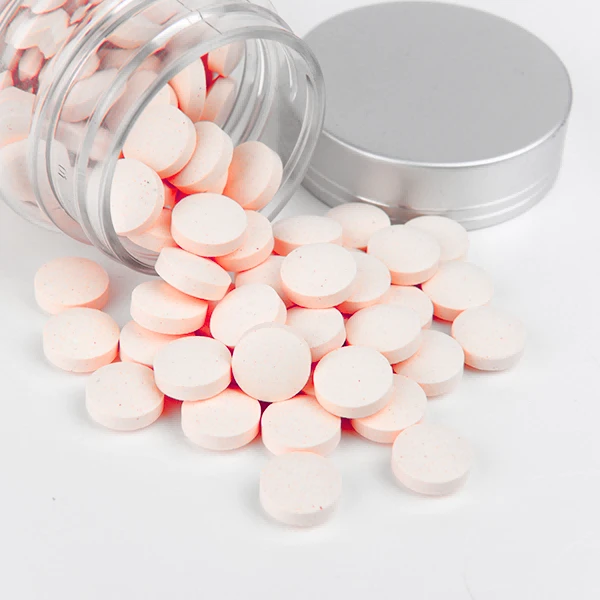
pqq 10 mg
Strategic Overview: The Ascendancy of High-Purity Alpha GPC in Global Markets In the rapidly evolving landscape of pharmaceuticals and nutraceuticals, the demand for high-purity, bioavailable active pharmaceutical ingredients (APIs) and advanced medicine intermediates is reaching unprecedented levels. Among these, Alpha GPC L-Alpha-Glycerylphosphorylcholine China Factory Medicine Intermediates Alp
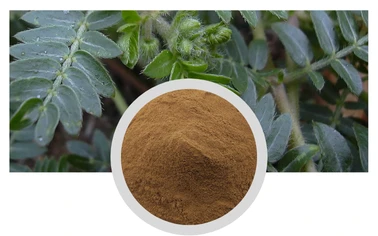
freeze dried avocado powder
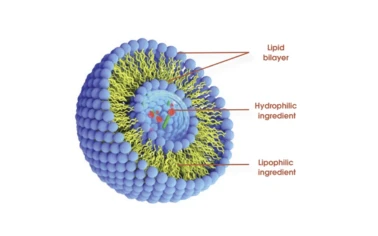
Spray drying in microencapsulation is one of the most commonly used techniques for encapsulating active ingredients, especially in industries like food, pharmaceuticals, and cosmetics. This process involves transforming a liquid feed, typically containing the active compound, into a dry powder by spraying it into a hot air stream. The liquid droplets quickly evaporate, leaving behind a protective
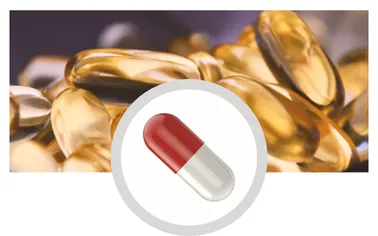
beta carotene for sale
At Hebei Finutra Biotech Co., Ltd., our journey with beta carotene is rooted in a brand story of honoring nature’s potential while upholding uncompromising purity. For years, we’ve believed that nutritional ingredients should be as close to their natural source as possible— a belief that shapes our core values of integrity, precision, and sustainability. Our natural beta carotene products, crafted
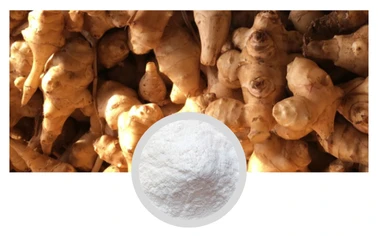
zinc bisglycinate
Mineral Amino Acid Chelates ( Complexes )& Salts; Strengthen Nutritional additives is a key solution in the Nutrition and health industry, specifically within nutrient fortifier and Mineral and amino acid chelates. This article explores how Hebei Finutra Biotech Co., Ltd. supports professionals with durable, high-performance products, and explains why this product is an ideal choice for businesses
organic svetol green coffee bean extract
L Theanine Green Tea Extract Plant Extract Raw Material Wholesale is a key solution in the health industry, specifically within Raw materials for health products and functional foods and plant extract. This article explores how Hebei Finutra Biotech Co., Ltd. supports professionals with durable, high-performance products, and explains why this product is an ideal choice for businesses in these sec
orange blossom powder
Citrus extracts have long been celebrated for their potent benefits, transcending culinary delights to make their presence felt in the world of skincare and dietary supplements. The surge in interest around these extracts comes as no surprise, given their rich composition of vitamin C, flavonoids, and essential oils. These components not only boost health but significantly enhance product efficacy
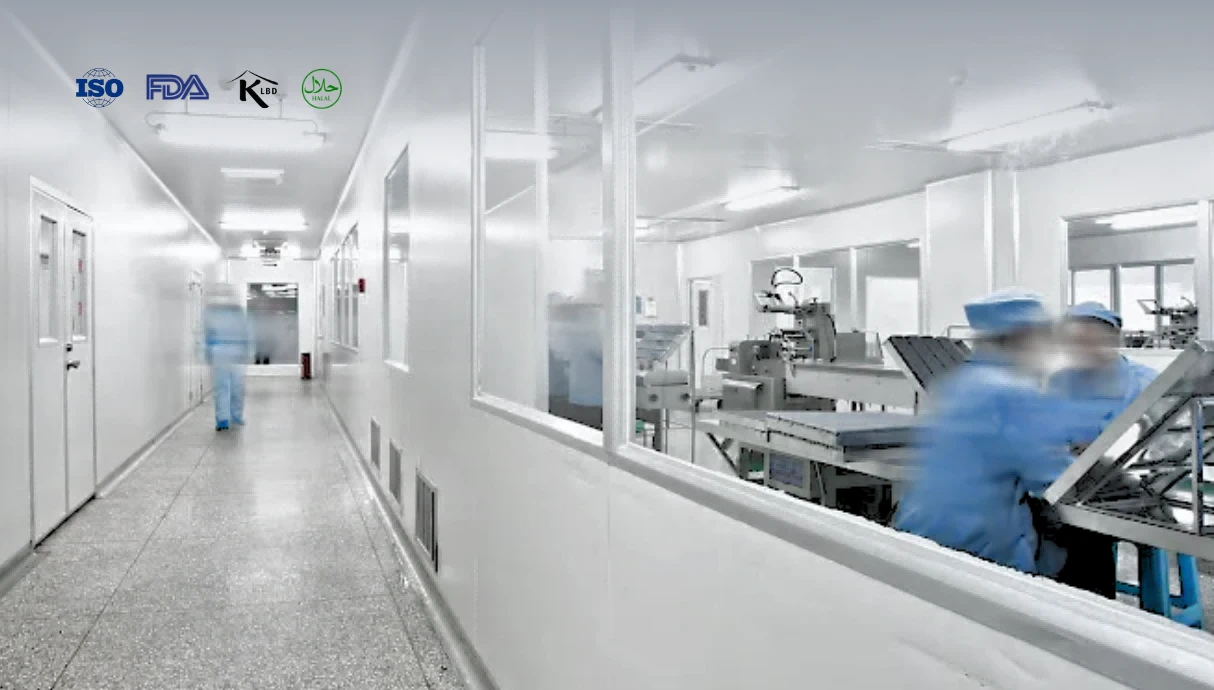
Authoritative Certification
Continuous Innovation, Customer First
Enhance core competitiveness to bring customers better products and services,
Each of these is the result of our team's relentless pursuit of excellence
and our deep commitment to social responsibility.

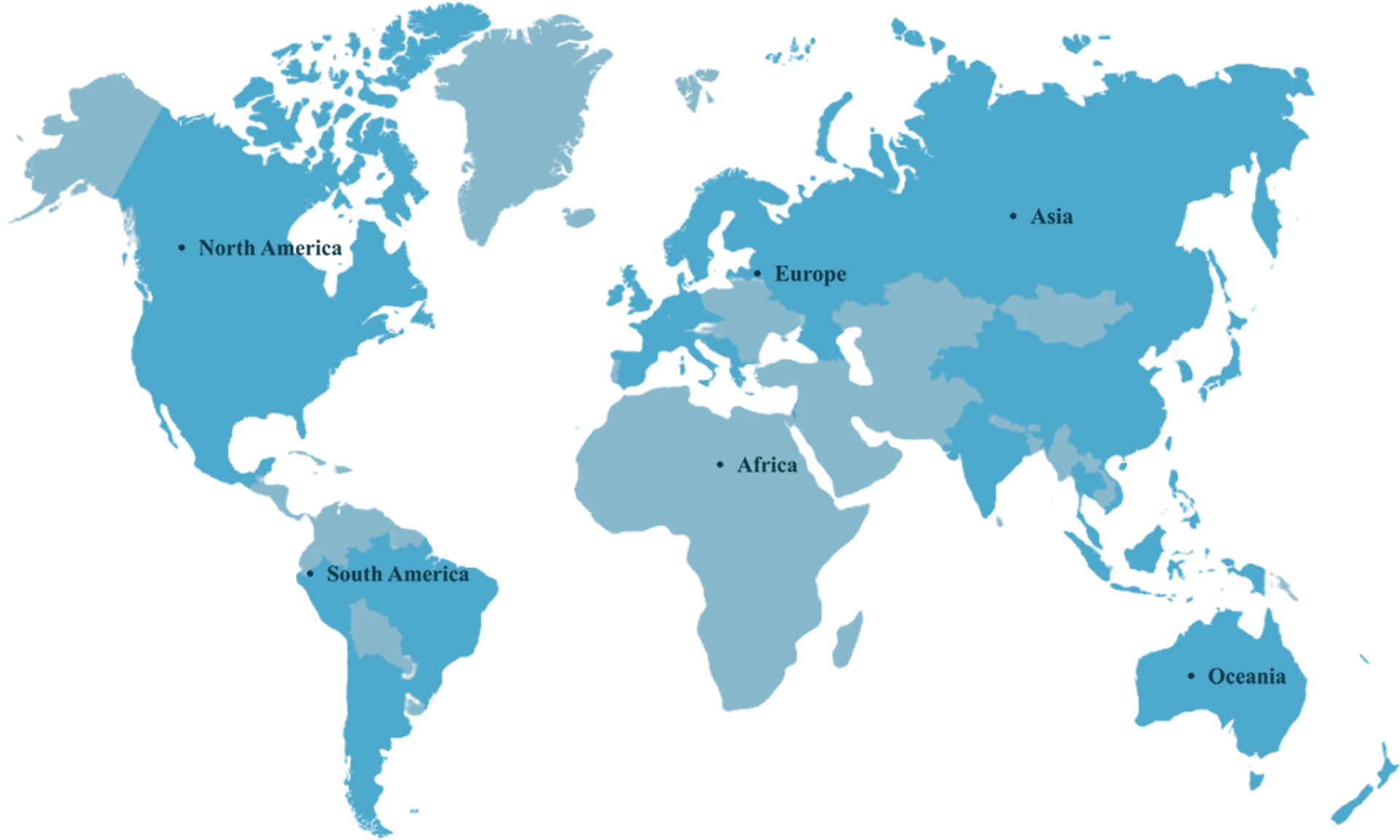
Global
Reach
FINUTRA has over 350,000 square feet of manufacturing and warehouse
space worldwide.
Industries We Serve

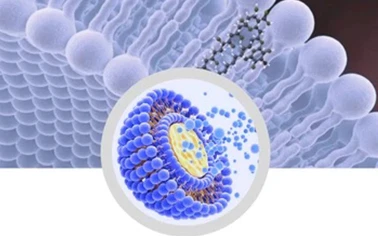
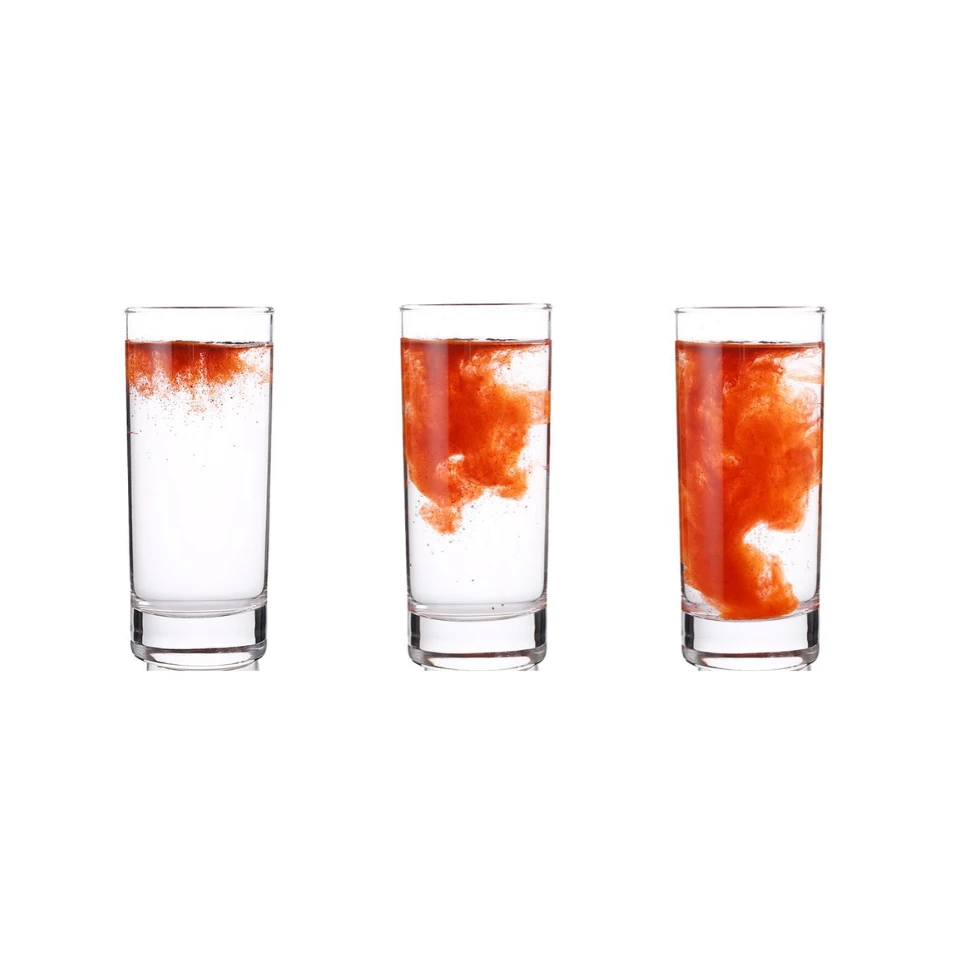
Advanced molecular distillation and microencapsulation
technology. Extremely bioavailable
trace carotenoids Intuitively soluble.

STAY UPDATED
Receive special offers and first look at new
products.
products.


Building 23B1, No.2 Yuanboyuan St., Zhengding Area of China (Hebei) Pilot Free Trade Zone
QUICK LINK
Finutra devotes to be an integrated supplier for global supply chain, we offer a broad array of raw
materials and functional ingredients as a manufacturer, distributor and supplier for global Beverage,
Nutraceutical, Food, Feed and Cosmeceutical.
Copyright © 2025 Hebei Finutra
Biotech Co.,
Ltd. All
Rights Reserved.
Privacy Policy


